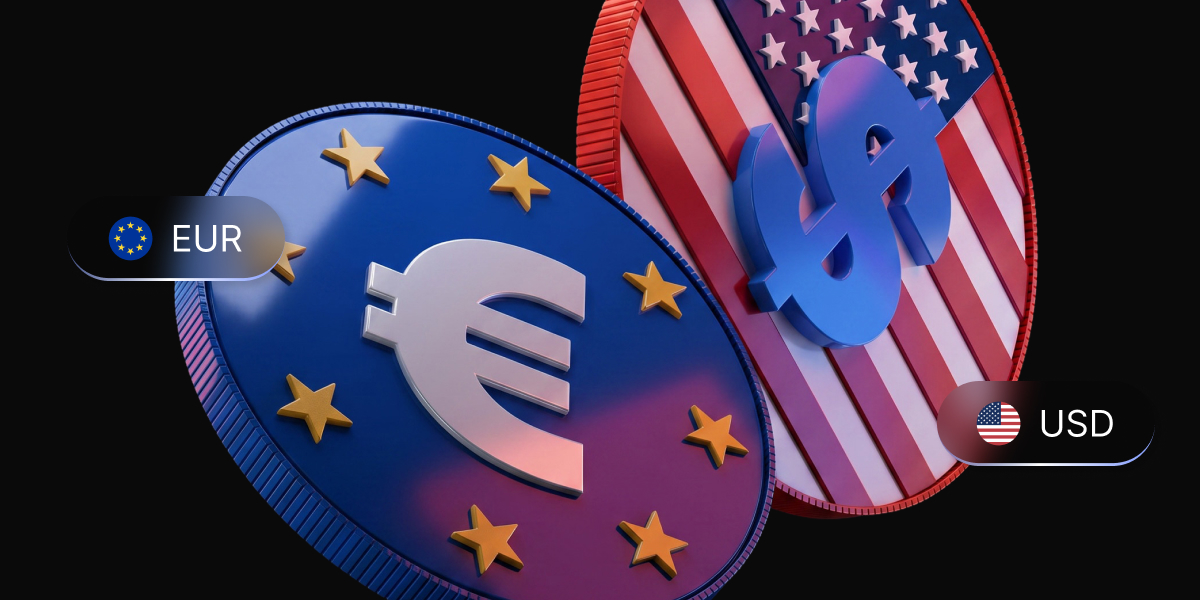

The dollar held near two-month highs on Thursday as elevated Treasury yields outweighed cooling U.S. inflation data. The euro slipped to $1.1300 ahead of France's 2027 budget presentation, while the yen weakened on divided Bank of Japan policy signals.
The dollar extended its recent dominance over major peers on Thursday, with elevated U.S. Treasury yields and geopolitical friction keeping the greenback anchored even as inflation data cooled. The dollar index rose 0.2% to 101.62. That capped its largest monthly advance since June.
Euro slips as France unveils its budget
The euro slipped 0.1% to $1.1300. That extended a 2.5% monthly decline in September, its sharpest monthly contraction since July 2025. The single currency stayed on the defensive as attention turned to Paris, where Prime Minister Sebastien Lecornu was due to present France's 2027 draft budget later in the day.
France's deficit is projected to reach 5.4% of GDP this year. Public debt is approaching 120% of GDP. That has left foreign exchange desks wary of widening spreads between French and German government bonds. The fiscal strain also arrives alongside persistent cost-push inflation across the bloc, leaving European Central Bank policymakers balancing energy-driven price pressure against fragile regional growth.
Soft inflation data fails to shift Fed bets
Softer-than-expected U.S. inflation figures trimmed money-market bets for an October Federal interest rate increase. Yet persistent energy cost inflation and heavy sovereign debt issuance have kept global borrowing costs elevated, giving the dollar sustained structural support.
Yen weakens as BOJ signals divide policymakers
The yen gave back recent gains to trade 0.5% lower at 158.24 per dollar, drifting toward multi-week lows after a summary of opinions from the BOJ's September meeting revealed clear divisions among board members over the pace of rate normalization. Some policymakers pushed for moving rates toward target more quickly, while others cautioned that domestic demand contracted in the second quarter.
Following the release, money markets scaled back the odds of a BOJ rate hike at its October 30 meeting to under 20%, down from over 30% earlier in the week, though a December move remains fully priced in.
Source: Investing.com
Trading involves risk.


 Risk Disclaimer