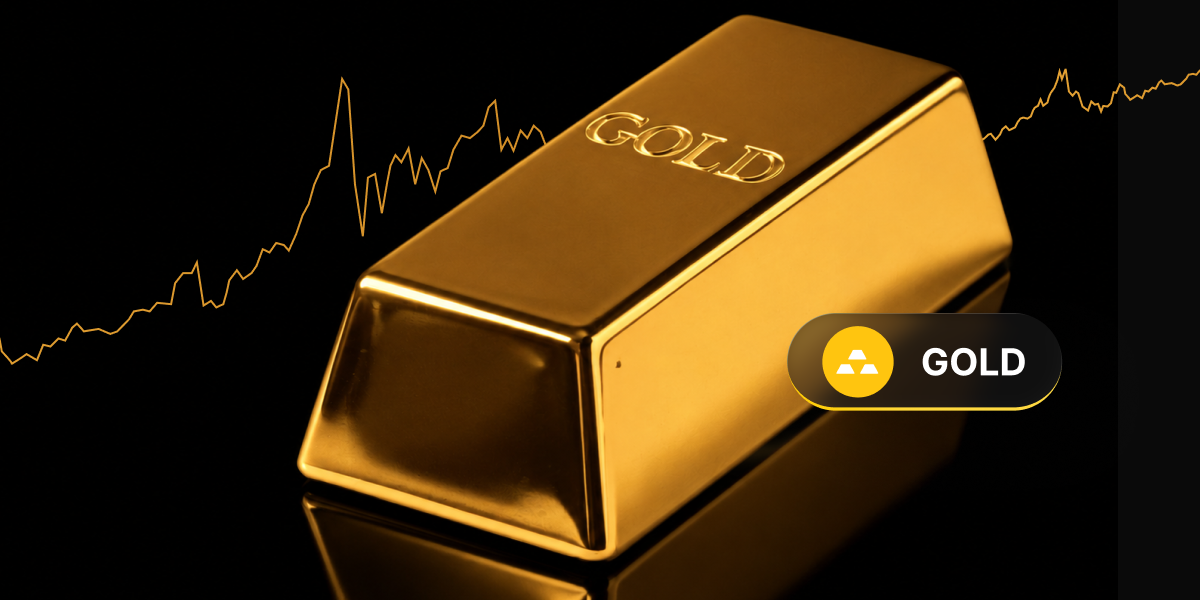

Gold has fallen about a third from its January record as Treasury yields and the dollar rise. Analysts disagree on how far the slide runs, though several still see a long-term role for the metal.
Gold dropped below $3,700 on Thursday, a fresh low in a year that began with a record. The metal hit $5,589.38 an ounce on Jan. 28, then lost roughly a third of that value.
From record highs to a liquidity sale
Suki Cooper, global head of commodities research at Standard Chartered, said a weaker dollar, lower bond yields and worries about global debt set the foundation for the 2026 highs. Gold ETF holdings also rose by roughly 800 tons last year, led by SPDR Gold Shares.
Cooper noted that after the Middle East conflict broke out, gold stopped acting as a safe haven and became "a liquidity provider", as investors sold it to raise cash.
Higher rates raise the cost of holding gold
Evan Mills of Scholar Financial Advising said higher Treasury yields and a stronger dollar lift the opportunity cost of holding an asset that pays no income. He said money market funds can pay 4% to 5%.
Separately, Fed Governor Christopher Waller said this week that a 50-basis point rate hike may be necessary.
Analysts split on the next move
Marc Chandler of Bannockburn Capital Markets said gold is headed to $3,500 to $3,600. He added that nothing on the charts says a low is in place.
Others take a longer view. Central banks continue to buy gold, with September the highest monthly total, though overall purchasing is 7% lower than the same period last year, according to the World Gold Council. Philip Diehl of U.S. Money Reserve said he is confident gold will return to its upward trajectory in 2027.
Source: CNBC
Trading involves risk.


 Risk Disclaimer