
Fewer than half of the S&P 500's components trade above their 200-day moving average even as the index sits near record highs, a split last seen at the peak of the 2000 tech bubble. The gap points to a handful of mega-cap tech names driving the index while most other stocks lag, and one columnist argues the fix is equal-weight exposure rather than selling the standard cap-weighted index.
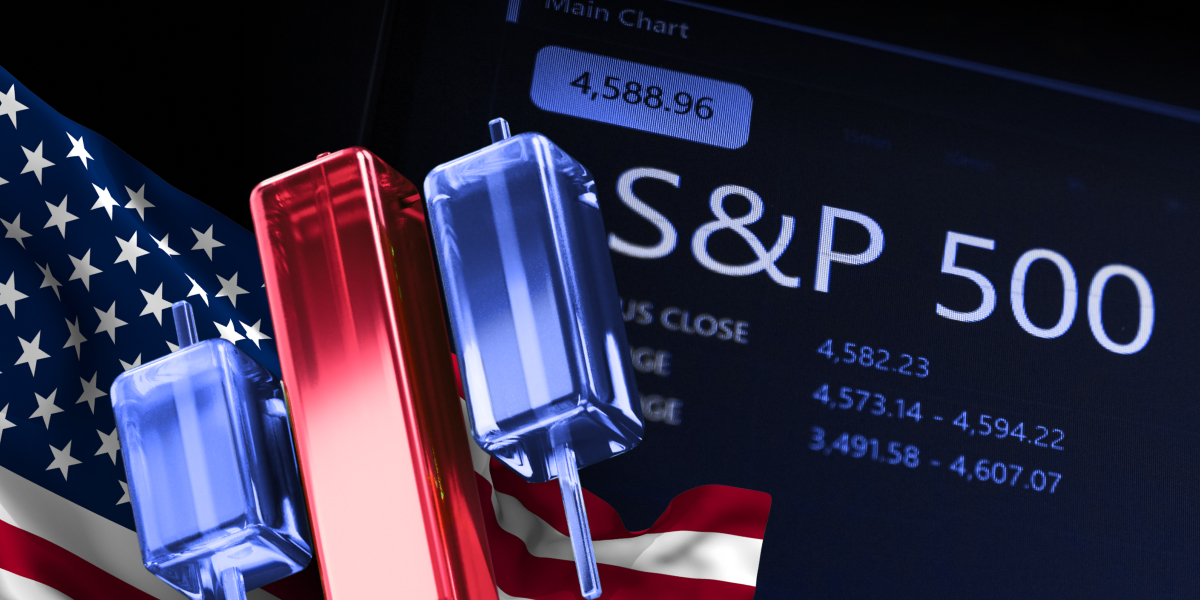
As of Oct. 5, the S&P 500 traded less than 1% below its all-time high. Yet only 42% of its components were trading above their 200-day moving average. According to Dow Jones Market Data, the last time the index was within 1% of a record high while more than half its stocks traded below that moving average was March 2000.
A narrow rally at the top
Tech stocks account for roughly 38% of the index. The top 10 holdings make up approximately 38% as well. Tech and energy are the only two sectors outperforming the S&P 500 year to date. Financials, utilities, communication services, and consumer discretionary are all negative for the year.
That concentration hasn't mattered while mega-cap names have led the market. But it means the current advance isn't broad, and a narrow rally typically leaves the index vulnerable if tech momentum cools.
The equal-weight alternative
One response to the imbalance is the Invesco S&P 500 Equal Weight ETF (RSP), which holds every index member in roughly 0.2% weights at each rebalance. Tech still makes up around 16% of the fund's portfolio, but it is one of five sectors allocated at least 9%, spreading exposure far beyond the top names. The fund carries $95 billion in assets under management, a 1.51% dividend yield, and a 0.20% expense ratio.
RSP also rebalances quarterly, which builds in a mechanism that trims winners and adds to laggards. For long-term investors, that structure can reduce concentration risk without requiring an exit from the stock market altogether.
Source: The Motley Fool
Trading involves risk.


 Risk Disclaimer