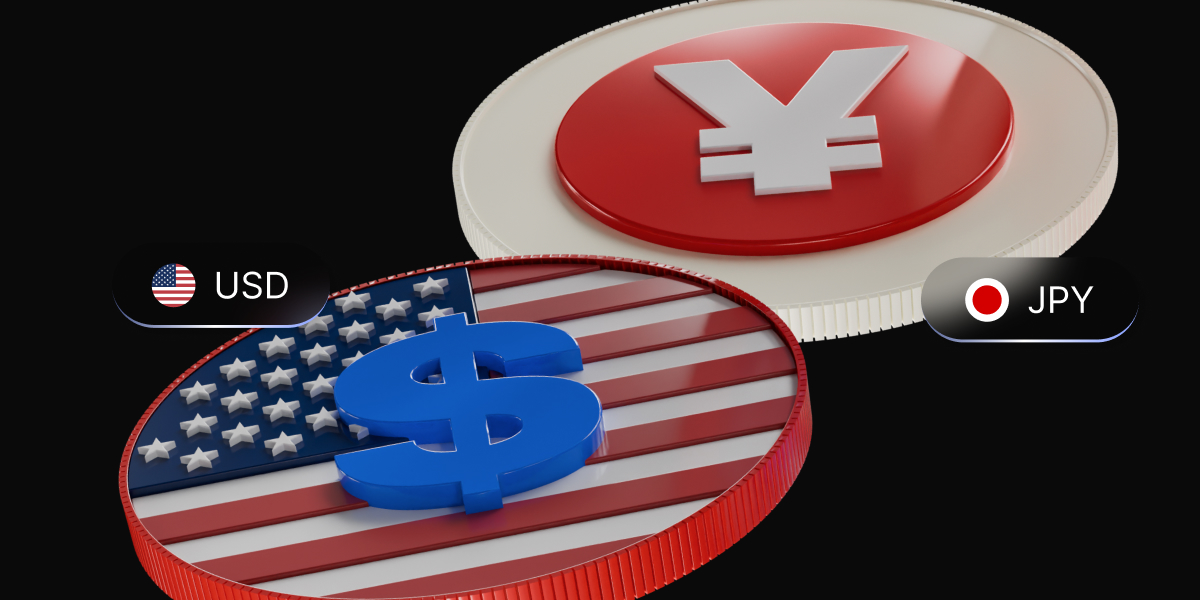

The dollar briefly fell below 153 yen on Tuesday, a six-month high for the Japanese currency, extending a rally that began with coordinated intervention in August. Several strategists point to a looming Bank of Japan rate hike, strong economic data, and Japan's shrinking Treasury holdings as reasons the move could continue.
Dollar slips below 153 yen
The Japanese yen has arrested its long-term decline since hitting a forty-year low in July, and it is now surprising investors with the speed of its rebound. In Tuesday trading, the dollar briefly fell below 153 yen, a six-month high for the currency, before the yen gave back some gains to trade at 154.32.
Its turnaround traces back to August, when coordinated intervention by the U.S. Treasury Department and Japan's Ministry of Finance engineered a rebound from the crucial 164 level. Unlike previous interventions, which were short-lived, this rally has built momentum. Mohamed El Erian, former co-chief investment officer at Pimco, captured the uncertainty in a post on X: According to MarketWatch: "The 'what' is clear; the 'why' is elusive."
Bank of Japan hike bets build
Robin Brooks, senior economist at the Brookings Institution, believes the current strengthening of the yen has signs of hidden intervention, meaning authorities may have done more than they have publicly disclosed. He argues the rally needs yield support, a narrowing of interest rate differentials between the dollar and the yen, to justify a longer-term move higher, and without it the current strength may not last.
Others see more durable drivers. The yen's next test is the Bank of Japan's policy meeting on Sept. 18, where prediction markets assign a 98% probability to a 25 basis point hike to 1%. Prime Minister Sanae Takaichi and Finance Minister Satsuki Katayama have both signaled further tightening in subsequent meetings.
Jim Reid, global head of research at Deutsche Bank, cited economic data supporting a hike. He noted Japan's real wages grew 2.4% year-over-year in July, the most robust reading since May 2021, while second-quarter GDP was revised higher from 1.1% to 1.4%. Reid called the case for a Bank of Japan hike overwhelming.
Treasury holdings shrink as yen stays cheap
A Deutsche Bank Research Institute report published in July found the yen's purchasing power had halved since 2012, making Japan an outlier in currency cheapness. Anatole Kaletsky, co-founder and chief economist of Gavekal Research, raised the possibility that the yen's recovery might finally be under way, arguing it is now more undervalued than any major currency in modern history.
For U.S. investors, a key question is whether Japan is bolstering its currency by selling down its holdings of more than $1 trillion in U.S. Treasury bonds and repatriating the proceeds. Japanese finance ministry data published last week showed a reduction of $87 billion in August alone.
Source: MarketWatch
Trading involves risk.


 Risk Disclaimer