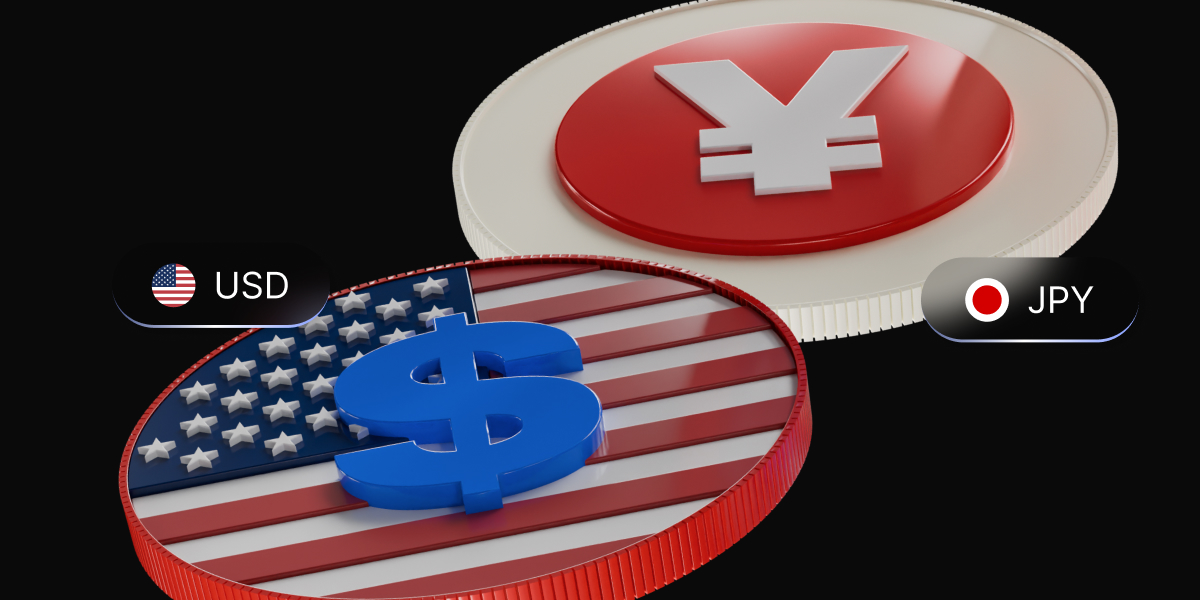

The US dollar has fallen for five of the last six days as the yen strengthens, and capital repatriation to Japan could be a bigger factor than BoJ rate expectations alone. Japan's Ministry of Finance has also ruled out government bond buybacks, even as the Bank of Japan presses on with tapering its own bond purchases.
The US dollar has fallen for five of the last six days. Neither a rally in Brent crude above $100 per barrel, a pullback in the S&P 500, nor rising Treasury yields has offered it support. Concerns over the Treasury's debt-market intervention, hawkish signals from the ECB, and capital moving from the US to Japan are all weighing on the greenback at once.
The Treasury's own move disappointed investors. It plans to buy back $6 billion worth of long-term bonds, running six such operations by early November before setting out plans for the following three months. Yields rose and the dollar caught a brief respite, but hawkish ECB rhetoric quickly put the greenback back under pressure.
Capital repatriation, not just rate expectations
The larger, longer-term threat to the dollar may be capital flowing home to Japan rather than currency intervention or BoJ tightening bets alone. If domestic yields keep rising, Tokyo can keep more money at home, and long-term bond yields at their highest levels since the 1990s risk triggering that repatriation.
Japan is the largest holder of Treasuries, at $1.1 trillion. Its residents also hold another $5 trillion in foreign assets. If that money starts flowing out of the US and Europe into Asia, USD/JPY and EUR/JPY are bound to fall, with pension funds such as Japan's GPIF likely to lead the move. Norway is reportedly ready to invest billions of dollars in Japanese assets.
The BOJ's taper adds to the pressure
Japan's Ministry of Finance has said it is not considering buying back Japanese government bonds, drawing a firm line between its fiscal role and the Bank of Japan's monetary policy. The BOJ, meanwhile, has approved a phased plan to cut monthly JGB purchases from roughly 4.1 trillion yen to about 2 trillion yen by April 2027, a roughly 50% reduction over two years.
As the central bank steps back, private buyers should compete for a larger share of the market, a dynamic that typically pushes yields higher.
Against this backdrop, relative prices, current accounts, fiscal policy and inflation prospects all favor the bears on USD/JPY. In terms of the bond yield differential, the yen remains the most undervalued G10 currency, and analysts say aggressive BOJ tightening would be needed to correct that imbalance.
Sources: ActionForex, Crypto Briefing
Trading involves risk.


 Risk Disclaimer