
The Nasdaq and S&P 500 closed at record highs on October 6 even as the 10-year Treasury yield pushed past 5.3%. Ariel Investments founder John Rogers says the rally's focus on AI stocks has left bargain-priced consumer names behind, and he expects a turn similar to the dot-com bust of 2000.
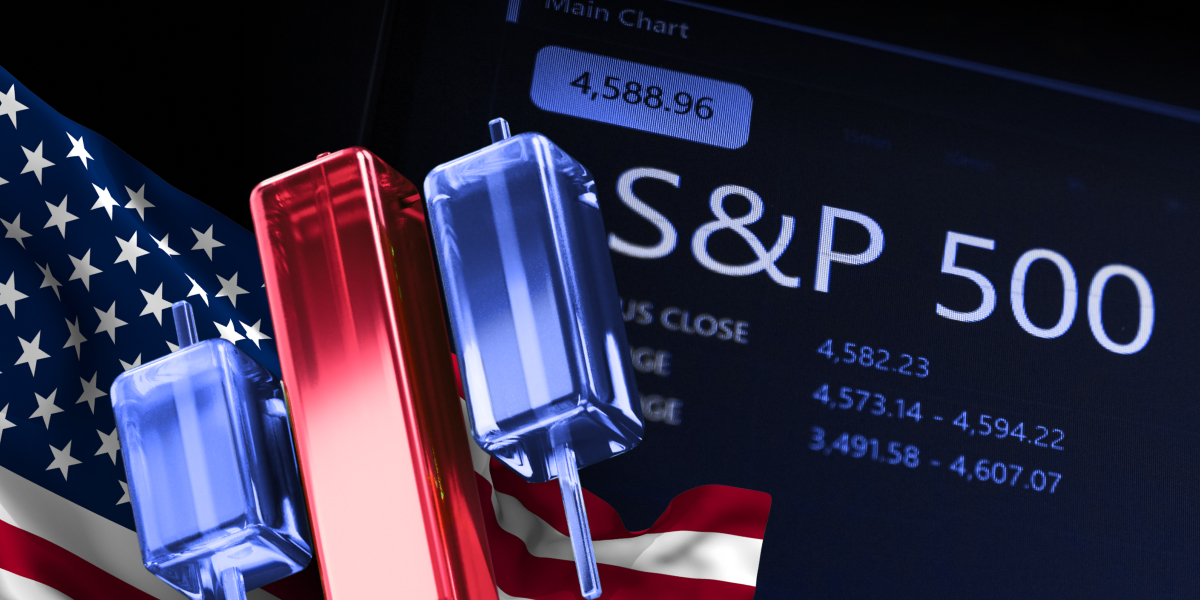
The S&P 500 and Nasdaq finished at all-time highs on October 6, powered by tech and AI shares. That same Tuesday, the S&P 500 closed above 7,800 for the first time, boosted by chipmaking stocks.
Yields climb alongside the rally
The record run has come despite a sharp move in bonds. The 10-year Treasury yield pushed past 5.3%, a level not seen in about 24 years. Panmure Liberum has warned that the S&P 500 could slide to 5,000 by late 2027, more than 35% below current levels, though several other firms take a rosier view.
Rogers sees a 2000-style turning point
John Rogers, founder and co-CEO of Ariel Investments, argues the AI trade will eventually fall apart, echoing how the internet bubble burst in 2000. In a Wednesday interview on CNBC's Squawk Box, Rogers said: "I feel that it's the same situation today." He pointed to world-class consumer brands selling at less than 10 times next year's earnings, a bargain he said he has rarely seen in the last two to three decades.
Picks beyond the AI trade
Rogers favors companies he believes AI will not disrupt. OneSpaWorld shares are up about 11% year to date, with 36% upside to the average analyst price target. He also likes Madison Square Garden Entertainment, up roughly 49% so far this year. Sphere Entertainment has moved more than 8% higher, with implied upside of 64% based on the consensus target.
Food and beverage maker J.M. Smucker, owner of Folgers and Jif, is up 20% in 2026 and carries an average overweight rating with 21% upside. Rogers says these businesses don't depend on the AI trade to perform.
Sources: CNBC, Coinpedia Fintech News
Trading involves risk.


 Risk Disclaimer